
10 Mar Top 5 Things Inspectors Find In Broken Arrow Homes
Top 5 Things Inspectors Find In Broken Arrow Homes
When buyers and sellers prepare for a home inspection in Broken Arrow, many wonder what inspectors usually discover during the process. After researching common inspection reports and industry insights, it’s clear that several issues show up again and again in homes across the area. Understanding these ahead of time can help homeowners prepare and help buyers know what to expect.
So what are the top things inspectors find in Broken Arrow homes? The most common issues include roofing problems, HVAC system concerns, plumbing leaks, electrical wiring issues, and foundation or structural movement. These are the areas inspectors most frequently flag during a professional home inspection.
These findings don’t always mean a home purchase should stop, but they do help buyers and sellers understand the property’s true condition. Below we’ll break down each of these common inspection findings and explain why they appear so often in Broken Arrow homes.
Top Inspection Findings In Broken Arrow Homes
Professional home inspectors evaluate every major system in a house, but certain issues appear more often than others. These are the five most common findings inspectors identify during inspections in Broken Arrow.
1. Roofing Problems
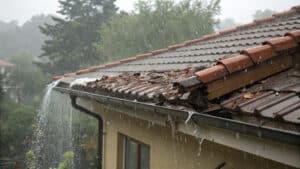
Roofing issues are one of the most frequent findings during home inspections. Broken Arrow homes experience strong storms, wind, and seasonal weather changes that can wear down roofing materials over time.
Common roofing problems include:
- Missing or damaged shingles
- Improper flashing around chimneys or vents
- Signs of water intrusion in the attic
- Aging roofing materials nearing replacement
Even small roofing issues can lead to moisture problems if they are not addressed early. Inspectors often recommend repairs or further evaluation by a roofing professional when these signs appear.
2. HVAC System Concerns
Heating and cooling systems are another area inspectors frequently evaluate closely. HVAC units naturally wear down over time, especially in climates that experience hot summers and cold winters.
Typical findings include:
- Dirty or clogged filters
- Aging systems nearing the end of their lifespan
- Improper thermostat operation
- Uneven airflow throughout the home
These issues do not always require immediate replacement, but buyers should understand the system’s condition and expected maintenance needs.
3. Plumbing Leaks Or Water Pressure Issues
Plumbing is one of the most important systems in any home, and even small leaks can lead to long-term damage. Inspectors commonly find plumbing issues such as:
- Dripping faucets or pipe leaks
- Low water pressure
- Improperly installed fixtures
- Slow draining sinks or tubs
Moisture from plumbing leaks can lead to mold growth or structural damage if not corrected.
4. Electrical Wiring Concerns
Electrical systems are another area inspectors carefully review. Older homes or poorly completed renovations may have wiring that does not meet modern safety standards.
Common electrical findings include:
- Loose outlets or switches
- Improper grounding
- Overloaded breaker panels
- Outdated wiring types
Electrical issues are important because they can pose safety hazards if left uncorrected.
5. Foundation Or Structural Movement
Foundation concerns can occur in many homes due to soil movement, moisture changes, or normal settling. Inspectors look for early signs that indicate potential structural issues.
Examples include:
- Small cracks in foundation walls
- Uneven floors
- Doors that stick or don’t close properly
- Gaps around windows or frames
Not every crack means a serious problem, but inspectors document these findings so buyers can evaluate them carefully.
Why Home Inspections Matter In Broken Arrow
A professional home inspection provides buyers with valuable insight into the overall condition of a property. Instead of relying only on appearance, an inspection evaluates the structural systems, safety components, and mechanical systems of the home.
For buyers, this information helps guide informed decisions before completing a purchase. It can also assist during negotiations if repairs or maintenance are needed before closing.
For sellers, preparing for a home inspection can reduce surprises and create a smoother transaction. Many sellers choose to complete minor repairs ahead of time to make the process easier and more transparent.
Ultimately, a thorough home inspection protects both parties and helps ensure that homes in Broken Arrow remain safe, functional, and well maintained.
Related Questions
Do home inspection findings mean you should not buy the home?
No. Most homes have inspection findings, and many are routine maintenance items. Buyers typically negotiate repairs, request credits, or simply plan future improvements.
How long does a typical home inspection take?
A standard home inspection usually takes between 2 and 4 hours depending on the size, age, and condition of the property.
Should sellers get a pre-listing inspection?
Yes, many sellers choose a pre-listing inspection to identify potential issues before buyers discover them, allowing time to make repairs and avoid surprises during negotiations.

Sorry, the comment form is closed at this time.